
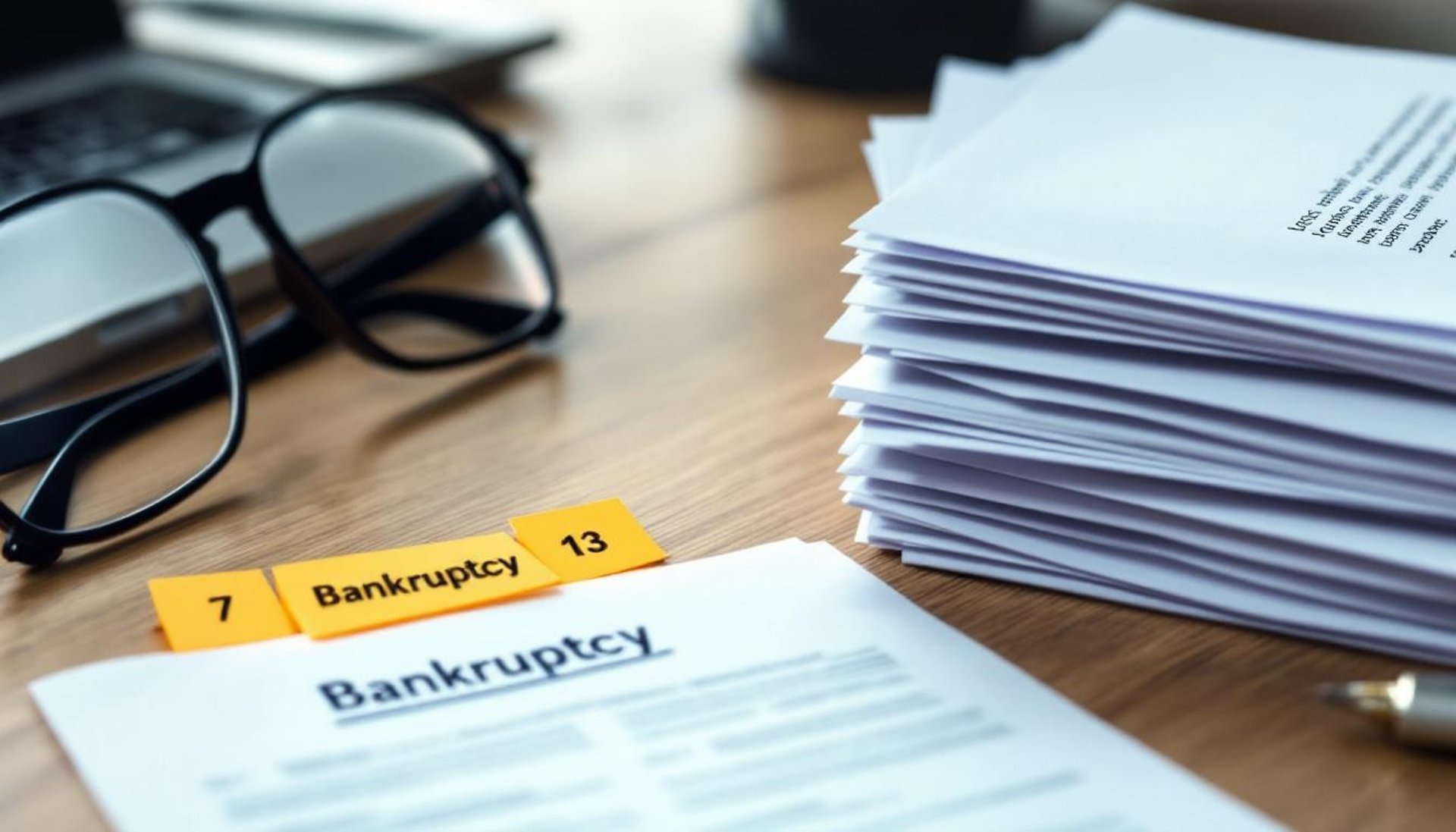
Bankruptcy Frequently Asked Questions

General Bankruptcy Questions
What is bankruptcy?
Bankruptcy is a federal legal process that allows individuals to eliminate or restructure debt under court supervision. It is designed to provide financial relief and create an opportunity for a fresh start.
What is the automatic stay?
When a bankruptcy case is filed, an automatic stay goes into effect. This court order generally stops most collection activity, including lawsuits, wage garnishments, bank levies, repossessions, and foreclosure proceedings.
Will all of my debts be eliminated?
Not all debts are dischargeable. Credit cards and medical bills are commonly discharged. Certain taxes, domestic support obligations, and many student loans may not be dischargeable. Each case depends on the type of debt and timing.
How long does bankruptcy take?
Chapter 7 cases typically conclude within several months. Chapter 13 cases usually last three to five years because they involve a repayment plan.
Chapter 7 Bankruptcy
How do I qualify for Chapter 7?
Eligibility is determined in part by a means test that compares your income to state median income levels and analyzes allowable expenses. Asset protection under Colorado exemption law is also considered.
Will I lose my home in Chapter 7?
Not necessarily. Colorado exemption laws protect certain amounts of home equity. Whether your home is protected depends on the amount of equity and how exemptions apply.
Will I lose my car?
In many cases, vehicles can be retained if equity is within exemption limits and loan payments remain current. Each situation requires individual review.
Can I choose which debts to eliminate?
No. Bankruptcy addresses your overall financial picture. You cannot selectively discharge certain debts while keeping others outside the case.
Chapter 13 Bankruptcy
What is a Chapter 13 repayment plan?
Chapter 13 involves making monthly payments to a trustee under a court approved plan. The plan typically lasts three to five years.
Can Chapter 13 stop foreclosure?
Yes. Filing Chapter 13 can stop a foreclosure sale and allow missed mortgage payments to be cured over time, if the plan is feasible.
What happens if my income changes during Chapter 13?
Plan modifications may be possible depending on circumstances. Prompt communication is important if financial conditions change.
Do I have to pay all my debts in full?
Not necessarily. Repayment depends on income, assets, and debt type. Some unsecured debts may receive partial payment..
Costs and Process
How much does bankruptcy cost?
Costs depend on the type of case and complexity. Attorney fees and court filing fees are discussed during your consultation.
Do I have to go to court?
Most consumer bankruptcy cases require attendance at a meeting of creditors, which is typically brief. Formal courtroom appearances are uncommon in routine cases.
What is the meeting of creditors?
Also known as the 341 meeting, this is a short session where the trustee asks questions about your filed documents under oath.
Credit and Financial Impact
How will bankruptcy affect my credit?
A bankruptcy filing appears on your credit report for several years. Many individuals begin rebuilding credit soon after discharge through responsible financial practices.
Can I obtain credit after bankruptcy?
Yes. While credit terms may initially be less favorable, many individuals are able to obtain credit cards, auto loans, and mortgages over time.
Is bankruptcy better than debt settlement?
It depends on your overall financial situation. Bankruptcy provides court supervised protection and legally binding discharge, whereas settlement relies on creditor negotiation.
Wage Garnishment and Collection
Can bankruptcy stop wage garnishment?
Yes. Filing bankruptcy generally stops wage garnishment immediately through the automatic stay.
Can bankruptcy stop creditor phone calls?
Yes. Once a case is filed, creditors must cease most collection communication.
Can bankruptcy stop a lawsuit?
Yes. Pending collection lawsuits are generally halted when a bankruptcy case is filed.
Confidentiality and Representation
Is my bankruptcy public?
Bankruptcy filings are part of the public record. However, they are not typically published in local newspapers.
Does contacting your office create an attorney client relationship?
No. An attorney client relationship is established only after a formal agreement is signed.
Still Have Questions?
Every financial situation is different. A confidential consultation allows you to receive answers specific to your circumstances.
Schedule a consultation to discuss your options.
Student Loans and Taxes
Can student loans be discharged?
Discharging student loans is difficult but not impossible. It typically requires a separate legal proceeding and proof of undue hardship.
Can tax debt be eliminated?
Certain income taxes may be dischargeable depending on age of the tax debt and filing history. Chapter 13 may also provide structured repayment options.
Understanding how bankruptcy works helps reduce uncertainty and allows you to make informed decisions. Below are answers to common questions about Chapter 7 and Chapter 13 bankruptcy in Colorado.
Denver
2301 Blake Street, Suite 100
Denver, Colorado 80205
Tallerday Law, LLC
Todd Tallerday
Managing Attorney
Phone: (303) 960-4649
Email: todd@tallerdaylaw.com
© 2025. All rights reserved.
Colorado Springs
1155 Kelly Johnson Blvd., First Floor
Colorado Springs, Colorado 80920